Crime Does Not Pay International
Peace is also a decision
Crime Does Not Pay International... is an initiative focused on crime prevention and education for peace, born within the Colombian penitentiary system as a real experience of human transformation, reconciliation, and social leadership.
Founded by Jarol Sánchez Estrada, the program promotes the development of Peace Leaders who can positively influence their communities through a culture of legality, peaceful conflict resolution, and responsible decision-making.

Our Purpose: Education for a Better Future
Crime Does Not Pay International is an educational initiative dedicated to human transformation, crime prevention, and the promotion of a culture of peace through responsible decision-making.
Our purpose is to demonstrate that violence is not a destiny. Violence is a learned behavior that can be unlearned. Through education, guidance, reflection, and opportunity, individuals can make different decisions and transform the course of their lives.
Our Approach:
Crime Does Not Pay International uses an educational model developed through real-life experience in one of the most challenging environments: the penitentiary system. Its methodology combines nonviolence, peaceful conflict resolution, self-reflection, positive leadership, and responsible decision-making.
The model is designed to be adapted to schools, universities, communities, correctional institutions, governments, and other organizations. Through education and constructive reflection, we seek not only to prevent violence and crime, but also to develop Peace Leaders capable of creating positive change in their communities.

Educational Services
Crime Does Not Pay International offers educational programs designed to prevent violence and crime while strengthening leadership, responsible decision-making, peaceful conflict resolution, and a culture of nonviolence.
Our programs can be adapted to different audiences and institutional needs, including schools, universities, communities, correctional institutions, government agencies, and organizations committed to social transformation.
Workshops:
Interactive workshops designed to engage participants through reflection, dialogue, and practical learning. Topics include nonviolence, crime prevention, peaceful conflict resolution, responsible decision-making, positive leadership, resilience, and a culture of legality.
Each workshop encourages participants to examine the consequences of their choices, recognize their potential for change, and develop practical tools to become positive leaders within their families, schools, institutions, and communities.
Conferences:
Powerful conferences based on real-life experiences that connect personal transformation with crime prevention, nonviolence, leadership, and responsible decision-making.
Through authentic stories, reflection, and practical lessons, participants are invited to examine the consequences of their choices, recognize their ability to change, and understand that peace begins with a personal decision.
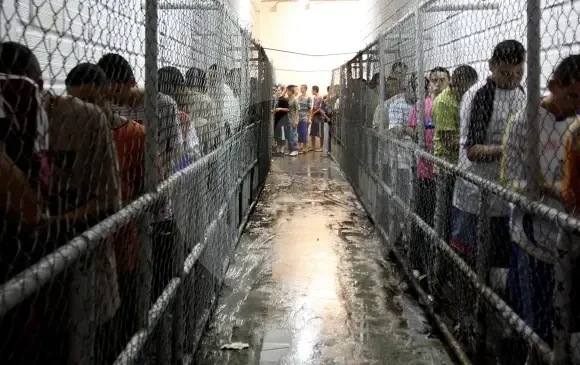
The story of Bellavista
For decades, Bellavista Penitentiary in Medellín, Colombia, was marked by extreme overcrowding, violence, and conflict. By the late 1990s, a facility designed for approximately 1,500 to 1,700 people held close to 7,000, bringing together individuals from armed groups, criminal organizations, gangs, and other sectors affected by Colombia’s conflict.
During those years, Bellavista became a reflection of Colombia’s broader social conflict. Members of guerrilla groups, paramilitary organizations, gangs, criminal networks, and former members of the security forces lived within the same overcrowded prison, creating an environment where tensions and conflicts could easily escalate into violence.
The peace process gradually transformed the dynamics inside Bellavista. Through dialogue, nonviolence, negotiation, and agreements among leaders from different prison sectors, conflicts increasingly began to be resolved through words rather than violence. These efforts strengthened coexistence, built trust, and demonstrated that even in one of the most challenging environments, peace can become a collective decision.
“Human transformation is possible, even in the most challenging environments. Every decision matters.”
Crime Does Not Pay...International